
The Invaders: Negative Impacts of Invasive Plant Species in Native Ecosystems

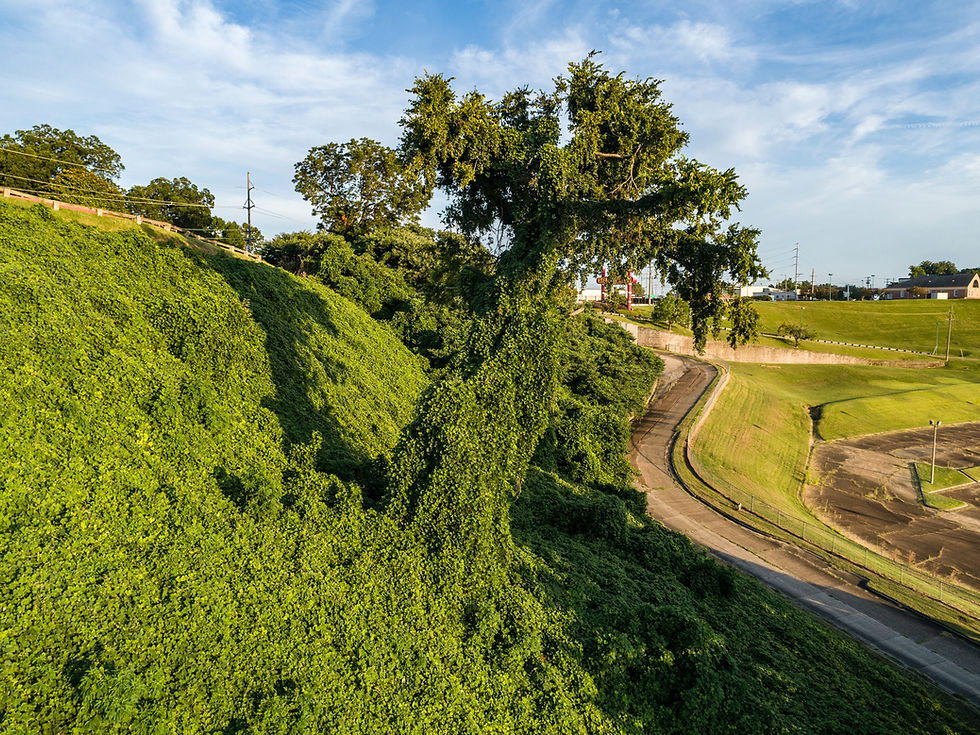
“Give them an inch and they’ll take an acre.”
– California Invasive Plant Council (Cal-IPC)
WHAT IS AN INVASIVE SPECIES?
An invasive species is an organism that has been introduced into an area beyond its original geographic range and has the potential to cause severe consequences to the economic, ecological and social sustainability of an ecosystem. Invasive species often negatively transform the character, condition, form or nature of native ecosystems over a substantial area.

Salt cedar (Tamarix spp.) is classified as an invasive species in the United States and Canada. Tamarisks have the potential to adversely influence the structure and dynamic of riparian ecology by stabilizing sedimentation, which creates permanent, inundated sandbars in riverine ecosystems. Salt cedars are additionally responsible for decreasing water tables and secreting deposits of sodium. Salt cedars can also negatively impact biodiversity by affecting the reproductive potential of native species, which reduces available habitat for endangered animals.
WHERE DID INVASIVE SPECIES ORIGINATE FROM?
The Flora of North America Association (FNA) has calculated that over 50,000 species of exotic plants have been introduced into the United States and Canada from Europe, Asia and Africa. In North America, this numeric value represents approximately 25–33% of all known botanical species on the continent. The majority of invasive species were brought to North America from Eurasia as food, herbs, medicine, fodder or ornamental specimens during the 1600s to the 1900s.
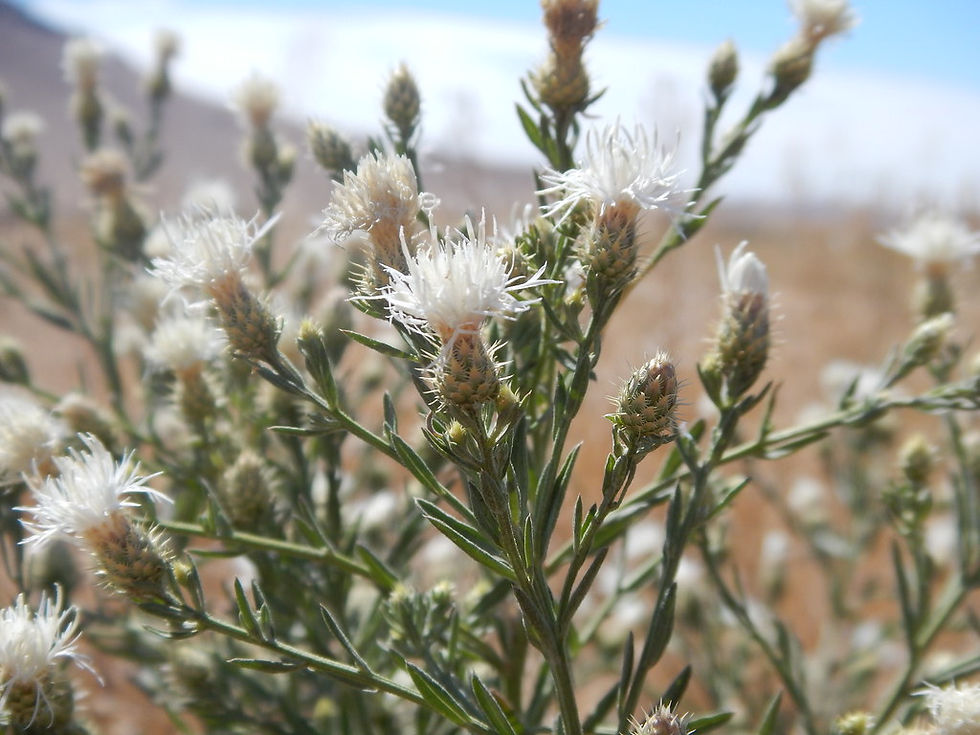
Diffuse knapweed (Centaurea diffusa) is notorious for intraspecies hybridization with other invasive knapweeds (Centaurea spp.). In North America, diffuse knapweed is believed to have been accidentally introduced through a shipment of contaminated alfalfa from the Mediterranean (c. 1800s). © Matt Lavin, 2015.

Canada thistle (Cirsium arvense) is a deceptive misnomer. Contrary to popular belief, this particular species actually originated from Europe and Northern Asia. In North America, creeping thistle is believed to have been deliberately introduced as an ornamental species from Europe.
WHY ARE INVASIVE SPECIES A PROBLEM?
The prolific tyranny of invasive plant species has become a global concern with serious ecological and economic consequences. Worldwide, 80% of endangered species are threatened due to the prolific habits of invasive plants. In North America, 20–30% of introduced species inflict serious environmental damage, reducing the population of endangered native plants by 42% and causing $138,000,000,000 in deficits per year. Invasive plant species have been difficult to control and nearly impossible to eradicate since their introduction into our ecosystems.

Purple loosestrife (Lythrum salicaria) is colloquially known as the “beautiful killer” due to its destructive behaviour in wetland habitats. In North America, purple loosestrife is classified as a serious invasive species due to its high reproductive capacity, high germination rate, long seed viability, and rapid growth habit. These specific adaptations have resulted in serious economic, ecological, and social repercussions to wetland ecosystems including the displacement and eradication of animals and wildlife resources, restriction of water flow between wetlands and irrigation drains, accumulation of toxic substances, reduction in dissolved oxygen concentrations and general ecological decline of zoological populations.

The broad-leaved paperbark tea tree (Melaleuca quinquenervia) is a woody perennial native to Australia and Papua New Guinea. This species was first introduced into Florida as an ornamental and service-orientated tree species to stabilize soil and mitigate flooding (c. 1900). This species was first discovered in Everglades National Park (c. 1967) where it is believed to have escaped cultivation. By the 1990s, the population was estimated to have taken over 488,000 acres of natural woodland in Florida. The broad-leaved paperbark tea tree has accumulated substantial economic expenses for the state government, including $35,000,000 for control measures and a loss of $168,800,000 per annum for the tourism industry. © Geoff Derrin, 2017.

Russian thistle (Salsola tragus) is a noxious weed commonly observed as a tumbleweed in the Midwestern United States and Western Canada. Russian thistle exhibits a high seed production rate and is predominantly dispersed via wind. Despite its iconic symbolism, tumbleweeds have threatened agricultural productivity by encouraging soil erosion, dispersing agroecosystem populations, reducing biodiversity and exhibiting toxicity towards agricultural livestock.
WHAT ARE SOME EXAMPLES OF INVASIVE SPECIES?

Examples of prohibited and noxious weeds in Alberta as listed in the Alberta Weed Act.
HOW TO IDENTIFY AND REPORT INVASIVE SPECIES
Check out these resources to assist you in scouting, monitoring and reporting invasive species in Alberta.
Alberta Pest Surveillance System (310-APSS (2777))
HOW CAN WE PREVENT THE SPREAD OF INVASIVE SPECIES?
Select native species for ecological benefits such as non-invasive growth habit, hardiness, reclamation properties and wildlife habitat quality to decrease maintenance costs, reduce carbon emissions, and increase aesthetic value of your property.
Do not introduce invasive species into natural areas and avoid incorporating these species near woodland boundaries. It is important to never underestimate a species’ virulence against native species or assume that the non-native species will not become invasive.
Report invasive species immediately to your local bylaw or regulatory authority.
Remove invasive species that are growing on your property. In Alberta, "prohibited noxious" species must be destroyed, and "noxious" species must be at the very least controlled by the property owner.
Use integrated pest management strategies to control or eliminate invasive species (e.g. preventative, cultural, mechanical, biological and chemical techniques).
Volunteer with your local environmental conservation parks agency or city parks department to help remove invasive species in natural and urban areas.

When in doubt, contact a professional to ensure your landscape can be enjoyed for years into the future. Contact us for a consultation today!

Comments